
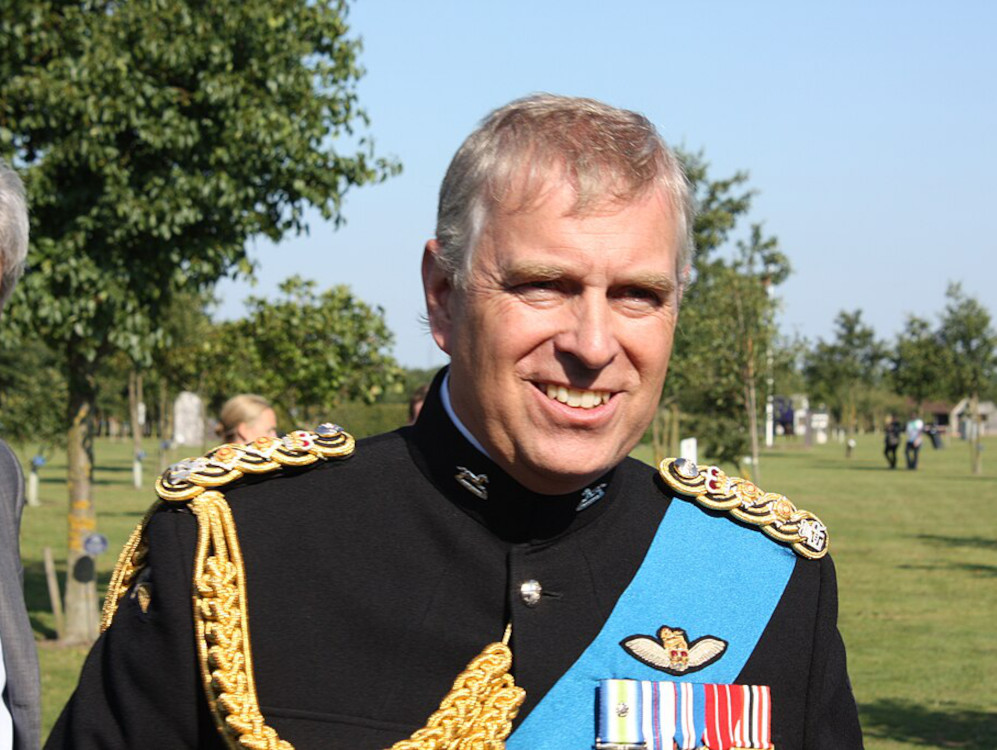
Charles Brammall on the (former) Prince Under the Shadow of the King’s Cross and Crown Pt 1.
In recent years, allegations surrounding Andrew Mountbatten Windsor have unsettled many across the UK, Australia, and beyond. His association with Jeffrey Epstein, the civil case brought by Virginia Giuffre, and the subsequent out-of-court settlement… The loss of his royal titles and demotion to a commoner’s name, and his withdrawal from public royal duties. All this has provoked outrage, grief, and confusion; cynicism, and weary disillusionment in equal measure.
For Christians, however, the question is not merely, “What happened?” nor even, “Is he guilty?” The deeper and more searching question is “How shall we think and speak; pray and act, in a moment like this, consciously living under the reign of the crucified and risen Christ?”
We are not merely citizens of the UK, Australia, or any earthly nation shaped by constitutional monarchy or democratic process. We belong to the kingdom of Jesus Christ, crucified under Pontius Pilate, and raised bodily on the third day; ascended to the right hand of the Father, and reigning even now with undiminished authority.
That confession, if taken seriously, changes everything about how we approach scandal, accusation, and public disgrace; and the frailty of those who wield influence and privilege in this present age.
Because The Cross shows me that No Human Is Beyond Sin. The arrest, accusation, or public disgrace of any prominent figure exposes something we prefer not to contemplate: power does not sanctify; status does not purify; privilege does not inoculate the human heart against temptation or corruption: self-deception or moral collapse.
Scripture has already dismantled our naïveté about leaders and institutions. Kings fall spectacularly. Priests compromise quietly. Apostles deny under pressure. David abuses royal power. Peter buckles before a servant girl. Judas betrays with calculated intimacy and proximity to holiness.
And the cross of Christ is the definitive theological verdict on my humanity. It announces not that some are sinners while others are fundamentally righteous, but that all alike stand under the same indictment before a holy God.
If the Son of God had to be crucified because of my human wickedness, then no aristocratic title, no charitable patronage, no military service record- no cultivated public persona, can insulate a person from the deep distortions of sin that run through every human heart.
A Christian response therefore, begins not with smug superiority or voyeuristic fascination, but with sober self-examination. If a prince can fall, so can I. The cross levels the ground, stripping away illusions of moral hierarchy.
And Jesus’ death is a cry for Justice for Victims. But Golgotha is not merely anthropology laid bare; it is divine justice enacted with enormous seriousness. At Calvary, God does not shrug at evil, minimise exploitation, or wave away abuse with sentimental indulgence or vague therapeutic reassurance.
Sin is condemned. His anger is real. And just, fair, and impartial. This Judge never perverts the course of justice. And neither would we want Him to. Except when it comes to mine. I love justice, but not when it comes to my own. And that’s the problem with how I think about fellow sinner Andrew.
And the cost of my rebellion against Him, Them, is unimaginably high to Him, borne in the flesh of the Son, His loved, adored, perfect, sinless only Child. If allegations of exploitation or abuse are true in any case, the God revealed in Christ is neither indifferent nor neutral toward the vulnerable.
Scripture speaks with particular severity about harming those without power. Jesus’ warnings about causing His “little ones” to stumble are among his most sobering pronouncements, revealing a moral seriousness that resists both trivialisation and institutional defensiveness.
I, as a Christian, will therefore resist the temptation to protect reputation, monarchy, church, or national identity at the expense of truth. The instinct to shield institutions from scandal has, historically, too often compounded harm rather than alleviating it.
Biblical justice is not vindictiveness, not trial by media, not mob outrage fuelled by social media frenzy. Yet neither is it institutional self-protection masquerading as prudence. It seeks truth, accountability, and the safeguarding of the vulnerable.
So, as a Christian, I will care deeply about due process, and about victims, AND about perpetrators, simultaneously. Those commitments are not adversaries competing for allegiance…
… They are twin reflections of the character of a God who is both perfectly, magnificently just and fair (His “alien work”), and merciful (the thing that “gets Him out of bed in the morning”), without contradiction.
His Son took the justice we deserve away from us and onto Himself. And gave us miraculous mercy that we will never deserve: “It is by grace you have been saved, through faith (trust, reliance, dependence on Him), and this (everything above) is a gift from God, not by works, so that no one can boast.”
And the mighty Resurrection shows that Truth Will Not Finally Be Buried. His rising proclaims that truth ultimately prevails, even when temporarily suppressed by power, manipulation, fear, or legal irregularity. At the crucifixion, false testimony triumphed, political expediency overruled justice, and public opinion turned volatile and destructive.
But on Easter morning, God overturned the verdict rendered by earthly authorities. The resurrection is heaven’s declaration that no miscarriage of justice, no hidden corruption, no buried truth can permanently withstand divine scrutiny and sovereign action.
For us Christians reflecting on controversial legal matters, this instils both patience and restraint. We resist hysteria and cynical fatalism- the urge to become amateur judges delivering final verdicts from our living rooms.
Courts may err. Media narratives may distort. Accusers may lie. Defendants may deceive. We are finite, limited, frequently ill-informed, and often swayed by partial evidence or emotionally charged presentation of facts.
But Jesus reclaiming life reminds me that hidden things will be disclosed in God’s time, His perfect season. Nothing remains concealed forever. If wrongdoing occurred, it will not escape the gaze of the risen Christ. If a false accusation occurred, it too will not endure unchallenged eternally.
So we Christians can wait without apathy and speak without frenzy. We are not required to resolve every ambiguity instantly. We entrust ultimate judgment to the One who has already passed through unjust judgment and emerged vindicated. Praise Him