
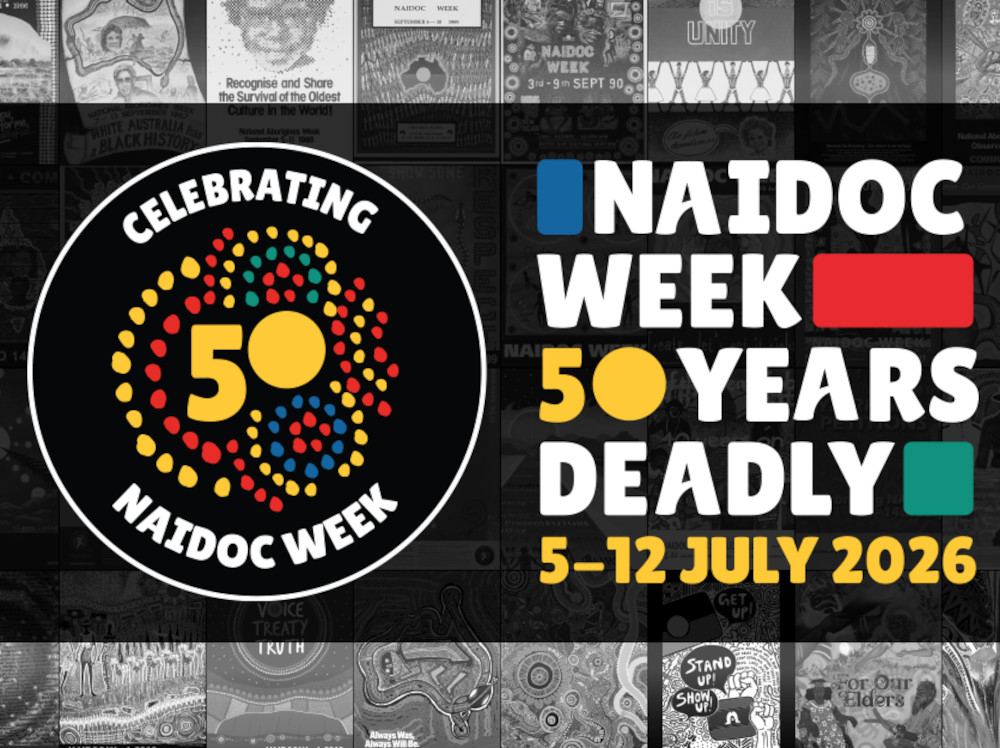
We are in the middle of the 50th NAIDOC Week, which makes it a good time to remember its founders.
The National Aboriginal and Islander Day Observance Committee was set up after the protest called the Day of Mourning in 1938, on the 150th anniversary of the arrival of the First Fleet led by First Nations Activists including William Cooper, Douglas Nicholls and Jack Pattern.
William Cooper led the push for an annual event, and we now have two, with Aboriginal Sunday observed in many churches the Sunday before January 26, and a whole week, NAIDOC Week, dating from the 1970s.
Cooper, regarded as Australia’s Martin Luther King, grew up on the Maloga mission near Echuca on the Murray River, where missionary Daniel Matthews was a champion of the detribalised First Nations people living about the town, and led him to Christ. By 1887nhe was an activist, sending the first of many appeals for justice to authorities, starting with the Maloga petition. By 1935, Cooper helped establish the Australian Aborigines League, which joined with others to protest the 150th anniversary of settlement. A great account of William Cooper by Matt Busby Andrews is here: https://theothercheek.com.au/the-founder-of-naidoc-week-william-cooper-was-australias-moses-martin-luther-king
VFL footballer, Church of Christ pastor, activist and later governor of South Australia, Doug Nicholls was Cooper’s protogée, was present on the Day of Mourning and later led the Australian Aborigines League and initiated Aboriginal Sunday.
Nicholls, and a third founder of NAIDOC Week, Jack Patten, grew up on the Cummeragunja Mission that replaced Maloga. Patten became a community activist and journalist who spoke on Aboriginal rights each Sunday in the Sydney Domain. This writer has not found a Christian testimony for Patten, but the Christian roots of Naidoc were evident in Cooper and his young protogée Nicholls.